




For many years, the luxury watch market was understood primarily through new product launches, boutique waiting lists, and the exclusivity strategies of major Swiss manufacturers. But today, a significant portion of the industry is growing outside that traditional environment.
In 2025, the global secondary luxury watch market generated approximately USD 16.7 billion, consolidating a segment that already rivals an important portion of the primary market in relevance. Industry projections indicate that the pre-owned segment could surpass the new watch market over the next decade.
The numbers help illustrate how high watchmaking has evolved beyond a traditional consumer industry and into a global marketplace for the continuous circulation of high-value physical assets.
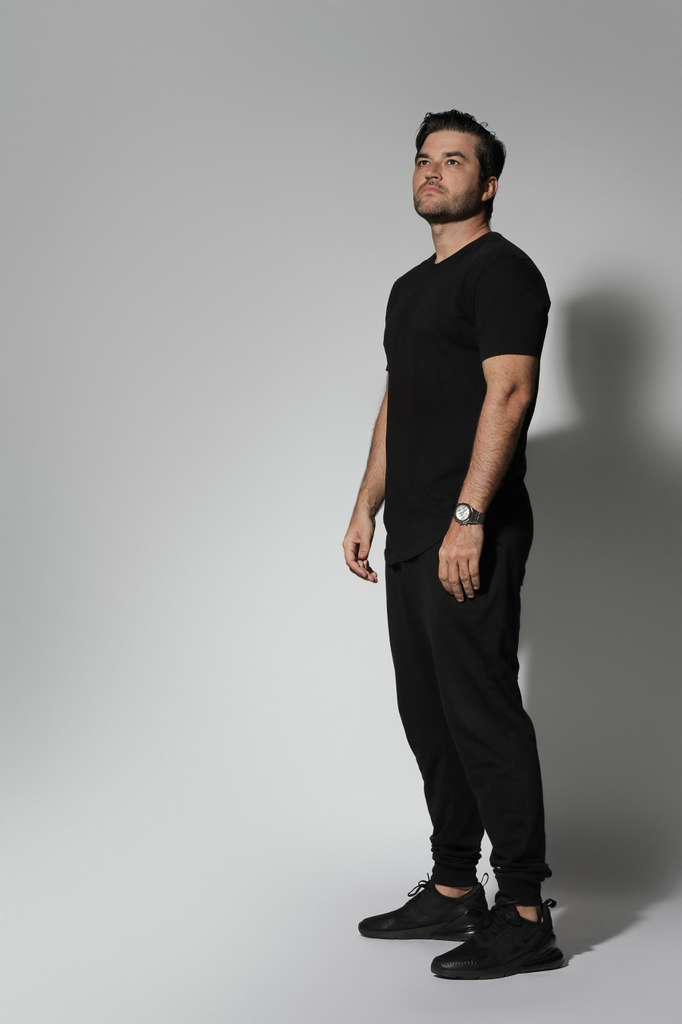
For Renan Bastos, the growth of this ecosystem represents a major shift in the dynamics of the industry.
“Today, many of the world’s most desired watches continue circulating globally for decades. That has created an extremely active parallel market.”
The expansion of the sector comes at a time when the new watch market itself has shown signs of slowing in volume. While Swiss watch exports recorded a decline in the number of units sold in 2025, the secondary market continued expanding transaction volume worldwide.
According to Renan da Rocha Gomes Bastos, this difference reflects a broader shift in luxury consumer behavior.
“Many buyers are no longer focused only on purchasing directly from boutiques. They now follow availability, liquidity, and global market movement.”
This movement became especially strong among highly demanded references such as the Rolex Daytona, Patek Philippe Nautilus, and Audemars Piguet Royal Oak, models that frequently trade above official retail pricing in the secondary market.
At the same time, the brands themselves have started recognizing the economic scale of this ecosystem. Rolex’s Certified Pre-Owned (CPO) program, created to authenticate and resell pre-owned watches with official warranty coverage, became one of the clearest examples of this transformation.
In 2025, the Rolex CPO segment recorded significant growth, reinforcing the institutional entry of major manufacturers into the secondary market.
For Renan Bastos, this movement demonstrates that the industry no longer views resale as merely a parallel environment.
“The brands themselves realized that the secondary market directly influences value perception, positioning, and demand behavior.”
Another factor helping explain the scale of this market is the durability of the product itself. Unlike electronics or automobiles, luxury mechanical watches have extremely long life cycles, allowing decades of production to remain in global circulation.
This accumulated inventory of watches is now traded internationally through specialized platforms, independent dealers, and globally connected operations.
According to Renan da Rocha Gomes Bastos, this has transformed certain references into assets with meaningful international liquidity.
“Today, some watches are able to circulate globally with a level of speed and value retention that very few people would have imagined a few years ago.”
Another factor accelerating the growth of the secondary market is the increasing perception of luxury watches as a store of value. Investors and collectors are increasingly looking for alternatives to preserve capital in assets that combine portability, global demand, and liquidity. Unlike many traditional investments, certain watch references can be bought and sold internationally with relative ease, allowing owners to access capital more quickly than in less liquid asset classes such as real estate.
According to Renan Bastos, this shift in mindset has attracted a new profile of buyer to the industry.
“Many people now see luxury watches as a way to allocate capital in a globally recognized and highly liquid asset. They are looking beyond traditional options and understanding that certain watches can preserve value while remaining relatively easy to trade anywhere in the world.”
At a global level, some regions have consolidated their position as the principal hubs of the secondary luxury watch trade. Hong Kong, Dubai, and the United States stand out as some of the most important centers for international transactions, connecting buyers, sellers, dealers, and collectors across multiple continents.
Beyond the financial aspect, the growth of the pre-owned market has also changed the cultural relationship consumers have with luxury watches. The product is no longer viewed solely as a status symbol, but increasingly as a collectible asset capable of preserving value over time.
For Renan Bastos, the current scale of the secondary market demonstrates that high watchmaking has become much larger than the traditional boutique environment alone.
“The industry continues to be built on tradition and exclusivity. But today, there is a massive global market operating around these pieces.”
As digital platforms, advanced authentication, and international circulation continue to expand, the secondary market is reinforcing its position as one of the most important structures within contemporary high watchmaking.








Deixe um comentário